Building Emotional Strength One Skill at a Time
What if the skills needed to manage emotions and navigate difficult moments could be
learned? Discover how GCBHS uses DBT to help clients build practical skills and take control
of their behaviors.

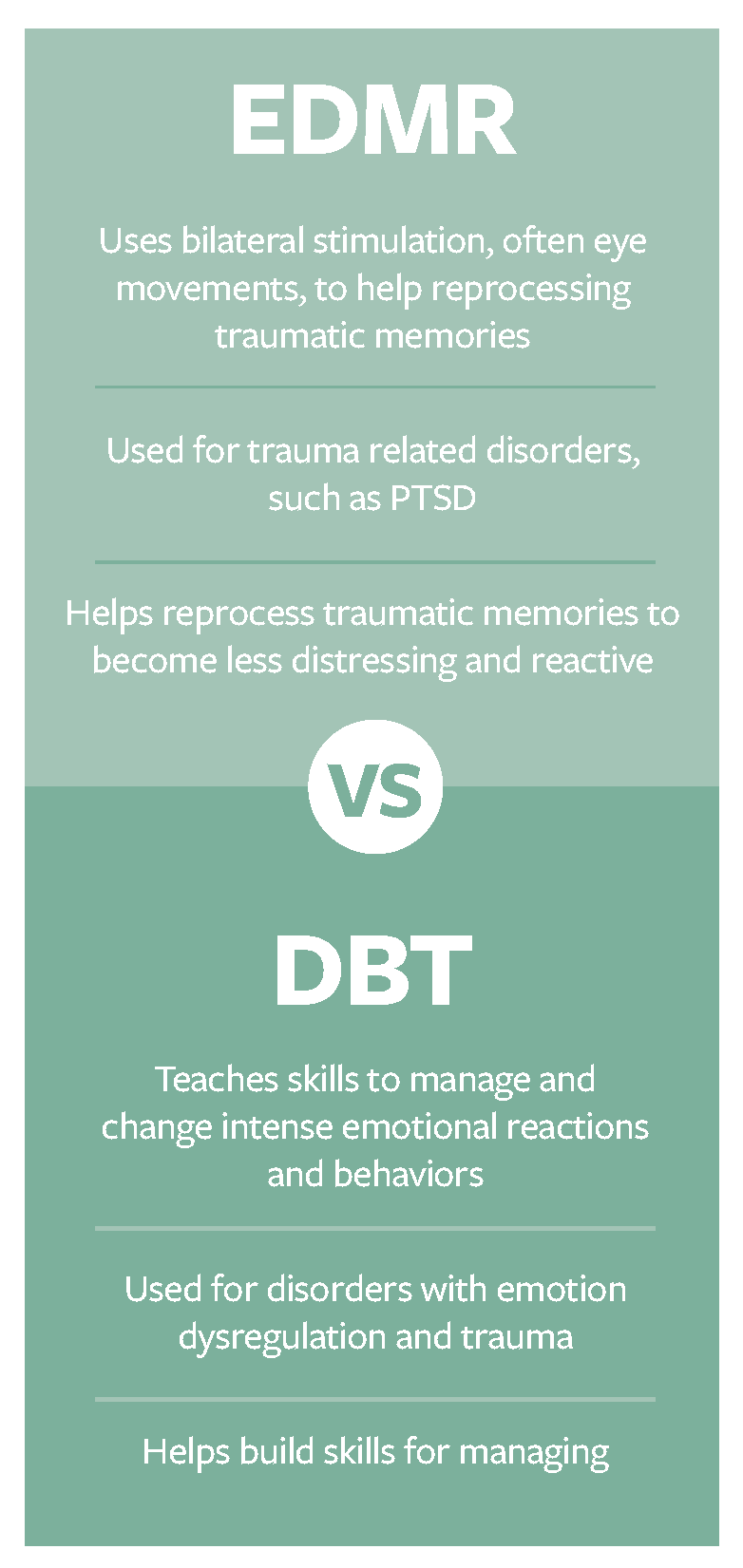
Dialectical Behavioral Therapy (DBT) is a curriculum used by trained therapists at Greater Cincinnati Behavioral Health Services (GCBHS) to instill positive cognition and modify behaviors. It is a skills-based form of therapy where clients attend a group class each week as well as an individual session. They can also reach out if they feel they may be close to engaging in a negative activity such as self-harm.
Alyssa Eichhorn is a GCBHS counselor whose clients have a mental health diagnosis and a developmental disability. She explains it this way, “DBT is based on the biosocial theory model which states some individuals who are born emotionally and impulsively more sensitive often have difficulties with controlling their actions when in invalidating environments/situations. Sometimes these situations are not intentionally invalidating, but the messages they send can reinforce behaviors that are out of control.”
Licensed Independent Social Worker and Hamilton County Transitional to Independence (TIP) counselor, Clare Hover, says DBT is helpful to many of her clients who feel like they didn’t learn important things about growing up.
“Some just weren’t taught these important life skills that we take for granted. Others were dealing with major trauma, so they were in survival mode most of the time and didn’t have the capacity to learn these skills. So, DBT can come in and teach them how to manage their emotions, communicate, and deal with harmful urges. It allows them to feel more in control of themselves.”
DBT learning is done through four core modules: Interpersonal effectiveness, emotion regulation,
mindfulness, and distress tolerance. Sometimes the framework of the skills needs to be modified for a specific person. Alyssa likes to compare the skill curriculum of DBT to a pants pattern. “Not every pattern fits every person, so we alter the pattern, but we’re still making pants.”
Clare adds, “It can seem complicated and overwhelming but once they practice the skills, they’ll say, ‘Oh, I get it now.’ And because I am working with young people, I find that some clients, even if they aren’t in the full DBT class, can benefit from learning a specific DBT skill.”
“We’re focusing on changing behaviors,” says Alyssa. “We deal with the here and now, before we can get into the past trauma, otherwise we are just adding fuel to the fire.”


